
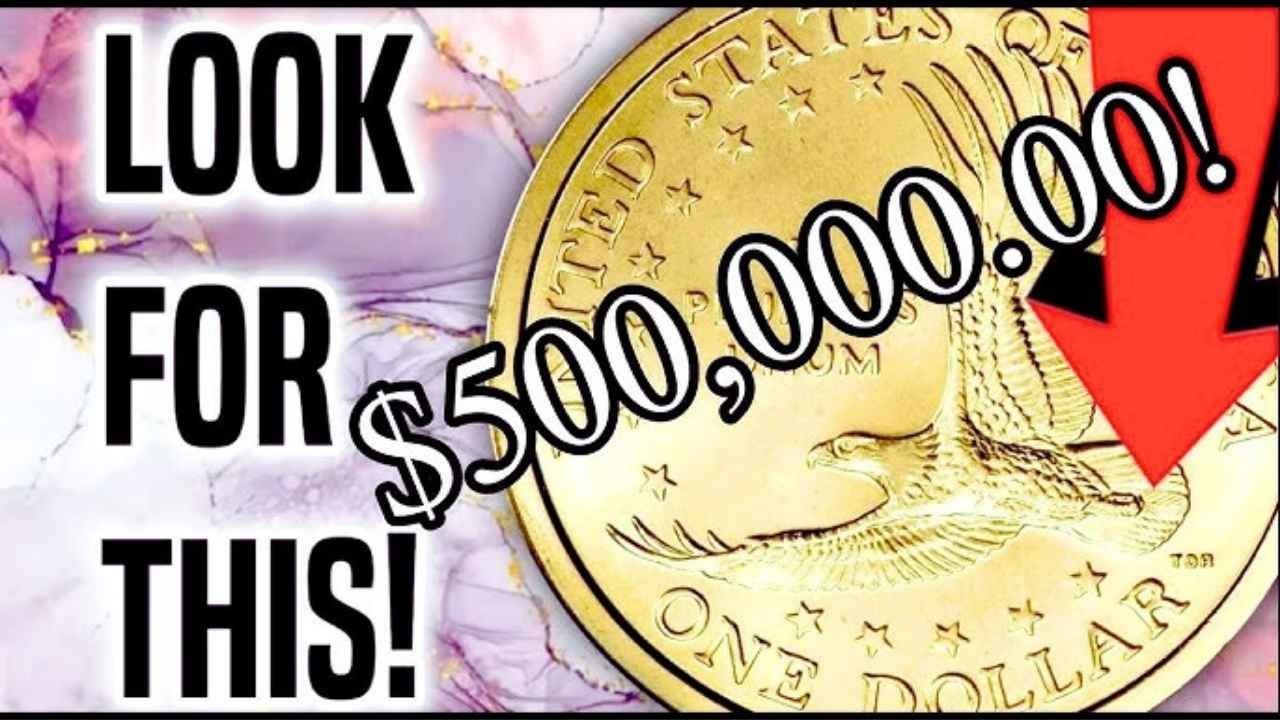
Have you ever pulled a shiny golden dollar from your pocket and wondered about its story? The Sacagawea dollar, often called the gold dollar for its bright color, stands out in the world of U.S. coins. First minted back in 2000, this coin honors Sacagawea, the Native American woman who helped the Lewis and Clark expedition. It’s not just another dollar it’s a piece of history that breaks from tradition in many ways. Unlike most coins that look silver, this one gleams like gold, making it easy to spot in your change. Collectors and everyday folks alike find it fascinating because it represents progress and diversity in American money. In this article, we’ll dive into why these coins are so special, from their design to their hidden treasures.
A Look Back at Its Beginnings
The Sacagawea dollar came about to fix problems with older dollar coins. The Susan B. Anthony dollar from the late 1970s was too similar to quarters, so people often mixed them up. The U.S. Mint wanted something fresh and eye-catching. They chose Sacagawea because she played a key role in exploring the West, carrying her baby on her back during the journey. Artist Glenna Goodacre designed the front side, showing Sacagawea with her son, Jean Baptiste. The back originally had a soaring eagle, but later versions changed to honor Native American themes. Minted from 2000 to 2008 as the golden dollar, it then evolved into the Native American dollar series with new reverses each year. This shift kept the coin alive and relevant, unlike many that fade away.
The Secret Behind That Golden Glow
What makes the Sacagawea dollar look like it’s made of gold? It’s not real gold that would be too pricey for everyday use. Instead, it’s a clever mix of metals: a copper core covered in manganese brass. The outer layer is 88.5% copper, 6% zinc, 3.5% manganese, and 2% nickel, giving it that warm, golden shine. This was a smart choice to stand out from silver coins and avoid confusion. The coin has a smooth edge, no ridges like dimes or quarters, which adds to its uniqueness. It’s the same size as the Anthony dollar, about 26.5 mm across, but the color makes all the difference. Folks say it feels modern and bold, a far cry from the plain look of past dollars.
Here’s a quick table of its main specs:
| Feature | Detail |
|---|---|
| Diameter | 26.5 mm |
| Weight | 8.1 grams |
| Composition | 88.5% Cu, 6% Zn, 3.5% Mn, 2% Ni |
| Edge | Smooth |
| Years Minted | 2000–present (with changes) |
This setup helps it last longer and look great even after years in circulation.
Hunting for Rare Gems
Not all Sacagawea dollars are created equal some are worth a lot more than a buck. Most you find in change are just face value, but rare ones with mistakes can fetch big bucks. For example, the 2000-P “Cheerios” dollar came in cereal boxes and can sell for hundreds if in top shape. Then there’s the mule error, where the front pairs with a state quarter back by mistake those go for thousands or even over $100,000 at auctions. Proof versions from the Mint, with a shiny finish, are favorites among collectors. To spot a rare one, check for special marks like the mint letter (P for Philadelphia, D for Denver, S for San Francisco), low mintage years, or odd features. It’s like a treasure hunt in your wallet.
Why They Matter Today
These coins aren’t just about money they tell a story of inclusion. Sacagawea was the first woman of color on a U.S. circulating coin, a big step forward. In a time when diversity is key, this dollar reminds us of Native American contributions to our history. Collectors love them for the variety, from early eagles to later designs like planting corn or peace symbols. Even now, in 2025, the Mint releases new versions, keeping the series fresh. If you’re starting a collection, these are affordable and fun to gather. Just keep them in good condition to hold value.
In the end, the Sacagawea gold dollar proves that coins can be more than cash they can spark interest in history and culture. Next time you see one, think about its journey from the Mint to your hand. It’s a small piece of America that’s truly one of a kind.